Introduction
As digital assets become an essential part of modern finance, secure access to cryptocurrency management tools is critical. Ledger login plays a key role in protecting user accounts and ensuring that only authorized individuals can manage crypto assets. Unlike traditional login systems that rely on usernames and passwords, Ledger login is built around hardware-based authentication, offering a higher level of security and control.
Ledger login is designed to support self-custody by removing reliance on centralized credentials. By using a hardware wallet for authentication, users gain peace of mind knowing their digital assets are protected against common online threats such as hacking, phishing, and credential theft.
What Is Ledger Login?
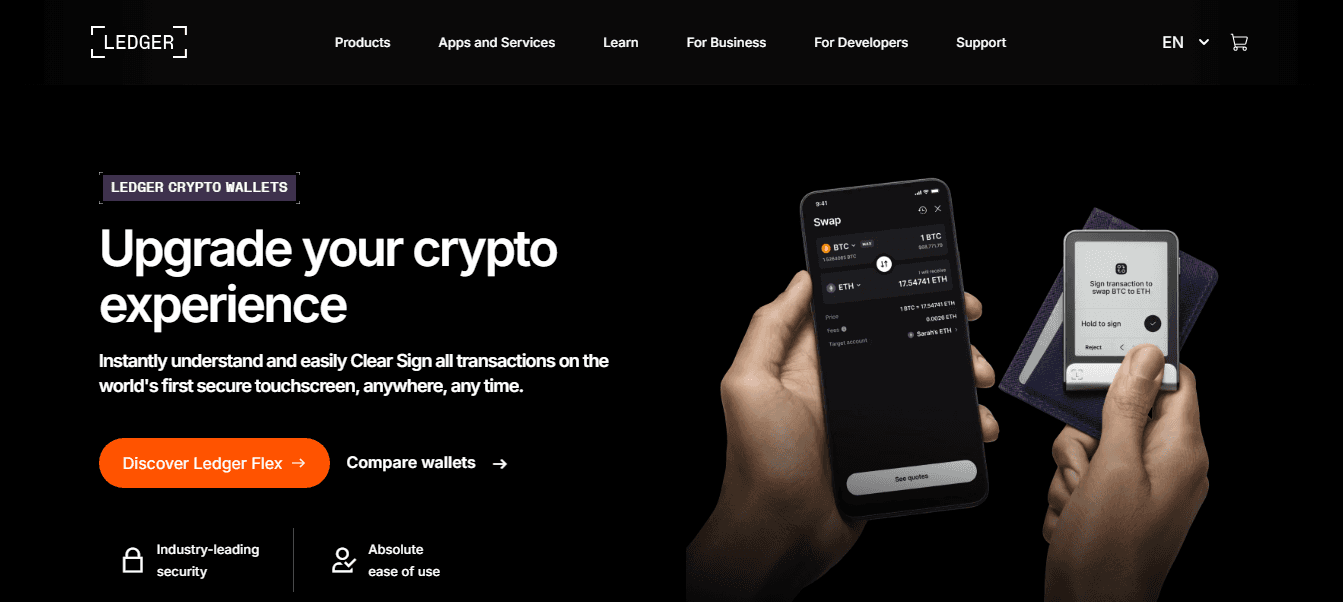
Ledger login refers to the secure authentication process used when accessing Ledger-supported applications and services. Instead of entering passwords or sharing personal credentials, users authenticate access through their Ledger hardware wallet.
This method ensures that identity verification and transaction approvals require physical confirmation from the device. Ledger login does not store sensitive login data online, reducing exposure to cyberattacks. The hardware wallet acts as both an identity verifier and a security key.
This approach represents a shift from traditional login systems toward a more secure and decentralized method of access control.
How Ledger Login Works
Ledger login operates through hardware-based authentication. When a user attempts to access a Ledger-compatible application, the system requests confirmation from the connected hardware wallet.
The user must physically approve the login request on the device. This step verifies that the person attempting access is in possession of the hardware wallet, which securely stores cryptographic credentials.
Because the approval process occurs offline within the device, sensitive data is never exposed to the internet. This makes Ledger login highly resistant to malware, keyloggers, and remote attacks.
Security Advantages of Ledger Login
One of the strongest advantages of Ledger login is its resistance to unauthorized access. Traditional logins rely on passwords, which can be guessed, stolen, or reused across platforms. Ledger login eliminates these vulnerabilities by requiring physical device confirmation.
Private keys and authentication data remain securely stored within the hardware wallet. Even if a computer or mobile device is compromised, attackers cannot complete the login process without access to the physical device.
Ledger login also protects against phishing attempts. Since users do not enter login credentials manually, there is no risk of accidentally providing sensitive information to malicious websites or applications.
Hardware-Based Authentication
Ledger login relies on hardware-based authentication, which is considered one of the most secure methods of access control. The hardware wallet acts as a secure identity key that cannot be duplicated or accessed remotely.
Each login request must be verified directly on the device, ensuring that authentication cannot be automated or bypassed. This physical interaction requirement adds a strong layer of protection that software-based systems cannot replicate.
Hardware-based authentication also supports long-term security, as it is not affected by weak passwords or credential reuse.
Privacy and User Control
Ledger login is designed to protect user privacy. It does not require usernames, email addresses, or personal data to authenticate access. This minimizes data exposure and aligns with the principles of decentralization.
Users remain in full control of their identity and assets. There is no central database of login credentials that could be compromised. Authentication is handled entirely by the hardware wallet and the user.
This privacy-focused design ensures that users can access their crypto assets without sacrificing personal information or autonomy.
Ledger Login vs Traditional Login Methods
Traditional login systems depend on passwords, two-factor authentication codes, or biometric data. While these methods offer some protection, they are still vulnerable to phishing, data breaches, and human error.
Ledger login removes these risks by eliminating passwords altogether. Authentication is based on cryptographic verification performed by the hardware wallet. This makes unauthorized access significantly more difficult.
Unlike cloud-based authentication systems, Ledger login does not rely on centralized servers to store login credentials. This reduces the risk of mass data breaches and enhances overall security.
User Experience and Ease of Use
Despite its advanced security, Ledger login is designed to be user-friendly. The login process is straightforward and intuitive. Users simply connect their hardware wallet and confirm the request on the device.
Clear on-screen prompts guide users through the authentication process. This simplicity ensures that even users with limited technical knowledge can authenticate securely.
Ledger login balances strong protection with accessibility, making it suitable for both beginners and experienced crypto users.
Ledger Login for New Users
For new users, Ledger login provides a clear introduction to secure authentication. The process encourages best practices by emphasizing physical confirmation and personal responsibility.
New users quickly learn that access to crypto assets requires possession of the hardware wallet. This understanding reinforces the importance of device security and careful handling.
By removing passwords and centralized credentials, Ledger login helps beginners avoid common security mistakes and build confidence in self-custody.
Advanced Use Cases
Ledger login is also beneficial for advanced users who manage significant digital assets. Hardware-based authentication provides assurance that access cannot be compromised remotely.
Advanced users appreciate the transparency of the login process. Each authentication request must be approved manually, ensuring that no background access occurs without awareness.
This level of control is ideal for long-term holders, institutional users, and individuals who prioritize maximum security.
Protection Against Common Threats
Ledger login is designed to protect against common online threats. Phishing attacks are ineffective because users do not enter credentials into websites or applications.
Malware and keyloggers cannot capture login information because authentication occurs within the hardware wallet. Even compromised devices cannot complete the login process without physical confirmation.
This strong protection makes Ledger login a reliable solution in an increasingly hostile digital environment.
Reliability and Continuous Improvement
Ledger login benefits from ongoing development and security enhancements. Regular updates ensure compatibility with evolving technologies and improve resistance to emerging threats.
The authentication process is designed to remain reliable across different platforms and use cases. This consistency builds trust and confidence among users.
Continuous improvement ensures that Ledger login remains a dependable access method as the crypto ecosystem grows.
Why Ledger Login Is Important
Ledger login is important because it addresses one of the biggest challenges in digital asset management: secure access. By replacing traditional credentials with hardware-based authentication, it significantly reduces the risk of unauthorized access.
This approach empowers users to manage their assets independently while maintaining strong security standards. Ledger login reinforces the core values of decentralization, ownership, and personal responsibility.
Its design reflects a forward-thinking approach to digital security.
Conclusion
Ledger login provides a secure, private, and reliable method for accessing cryptocurrency management tools. By using hardware-based authentication instead of passwords, it protects users from common online threats and ensures full control over digital assets.
Whether you are new to cryptocurrency or an experienced user, Ledger login offers a trusted and efficient way to authenticate access securely. As digital finance continues to evolve, hardware-based login systems like Ledger login set a strong standard for safe and responsible crypto access.